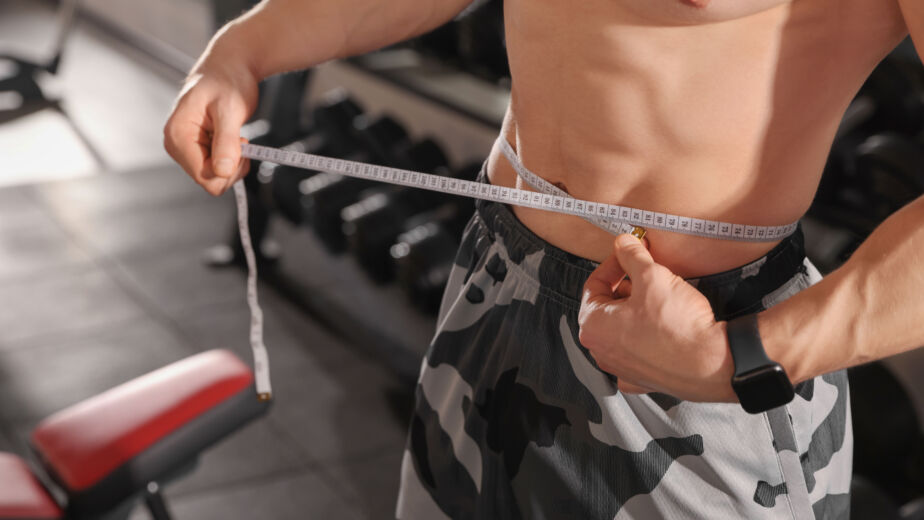
Most athletes who cut make the same mistake: they go too deep on the deficit and lose the muscle they spent months building. Semaglutide changes the equation. As a GLP-1 receptor agonist, it suppresses appetite at the neurological level — not through willpower, but through biology. You eat less because you’re genuinely less hungry, not because you’re white-knuckling a deficit. The result: a slower, more controlled cut that protects lean mass. Combined with adequate protein and progressive training, semaglutide gives competitive bodybuilders a tool for body recomposition that doesn’t cost what you’ve already built.
The Problem with Traditional Cuts
Every competitive athlete knows the dilemma: to get lean, you need a caloric deficit. But aggressive deficits kill performance, drain muscle, and leave you weaker on the platform. The standard advice — eat less, move more — ignores the neurobiological reality of hunger. Willpower is a finite resource. Sustained caloric restriction triggers compensatory hunger hormones that actively work against your goals. Semaglutide changes the mechanism, not just the math.
What is Semaglutide?
Semaglutide is a GLP-1 receptor agonist — a synthetic analog of glucagon-like peptide 1, a hormone naturally released in your gut after eating. GLP-1 signals your brain’s satiety centers to reduce appetite, slows gastric emptying to make you feel fuller longer, and modulates insulin secretion in response to food intake. The result is not forced restriction. It’s a neurological recalibration of your appetite set point. You eat less because you want less. The hunger that makes traditional cuts unsustainable simply isn’t there.
Why Athletes Are Using It Differently
The mainstream conversation around semaglutide focuses on obesity treatment. But the same mechanism that makes it effective for significant weight loss also makes it a precise tool for athletes looking to recomp — specifically, to reduce body fat while preserving the muscle mass they’ve built. Athletes are not running therapeutic obesity doses. They’re using lower, targeted doses combined with high protein intake and maintained training volume — using the appetite suppression to sustain a moderate deficit rather than a crash cut.
The Muscle Preservation Question
The primary concern for any cutting athlete is muscle loss. Research on semaglutide’s effects on lean mass shows that fat mass accounts for the majority of weight lost — particularly when protein intake is maintained at 1.6–2.2g per kg of bodyweight and resistance training continues. A 2021 trial in the New England Journal of Medicine showed participants lost an average of 14.9% of body weight, with fat mass comprising the significant majority of losses in groups maintaining structured exercise. For athletes with lower body fat and higher baseline muscle mass, the ratio of fat-to-muscle loss is even more favorable. The protocol matters. Semaglutide without adequate protein and training is a blunt instrument. With both, it’s precise.
Practical Protocol for Athletes
Athletes using semaglutide for body recomposition typically follow a gradual titration:
- Weeks 1–4: 0.25mg subcutaneous injection weekly — allows GI adaptation
- Weeks 5–8: 0.5mg weekly
- Weeks 9–12: 1mg weekly, adjusted to response
The goal is appetite modulation, not appetite elimination. If you can’t hit your protein targets because you’re too suppressed, the dose is too high. Calibrate until you can consistently hit 180–220g of protein daily while running a 300–500 calorie deficit.
What to Expect
Athletes running semaglutide at these doses report:
- Significant reduction in cravings within 2–3 weeks
- 0.5–1% body weight loss per week — slow and controlled
- Maintained strength on compound lifts when protein is adequate
- Improved fasting glucose and insulin sensitivity markers
The cut becomes sustainable. That’s the edge.
Purity Standards for GLP-1 Peptides
Semaglutide is a complex 31-amino acid peptide. Synthesis impurities at this molecular weight affect both efficacy and tolerability — impure compounds produce more GI side effects and unpredictable dosing responses. Every Genotech semaglutide batch is synthesized to ≥98% purity and ships with an independent Certificate of Analysis so you know exactly what you’re working with.
The Bottom Line
Semaglutide isn’t a replacement for discipline. It’s a tool that makes discipline easier to sustain. For serious athletes who’ve hit the ceiling on what traditional cutting protocols can achieve without costing muscle, it represents a meaningful addition to a precision body composition strategy. Cut smarter. Keep what you’ve built.